Thailand 2021, a country without tourists — 1. The Phuket Sandbox
November 2021. For almost two years the world had been living to the rhythm of lockdowns. In France, anxious messages looped endlessly on television. We had had enough. This account, in several parts, tells the story of the three months we spent on the roads of Thailand, at a unique moment in its history: the moment it was cautiously reopening its doors, with barely a tourist in sight.
Leaving — but for where?
Oddly enough, our story with Thailand began with a confinement! We were coming out of Covid and I could no longer bear all those restrictions on our individual freedoms — it was a crazy time. The talk of blocking things, the injunctions to stay shut in, the messages hammered out on television: I had had enough. Elisabeth and I talked it over: we were going to leave. But where?
Asia had drawn us for a long time, and Thailand was on our list of countries to discover. Looking more closely, I realised the country was in a state of total depression: no tourism at all. When an economy rests on visitors and the visitors vanish, everything stops.
It was precisely then that the Thai authorities launched the famous Phuket Sandbox: a scheme allowing vaccinated travellers to enter the country through Phuket, with direct flights from Paris. This was the moment.
That left the paperwork — and what paperwork! The Thailand Pass, PCR tests, compulsory insurance, an SHA+ certified hotel (those approved establishments equipped to maintain quarantine for any traveller who tested positive)… A tiresome protocol, but not an insurmountable one. Seeing how simple the formalities are today, you realise how far things have come.
A word about these videos: you will find no narrator facing the camera, no restless editing with shots piling on top of one another. Just a walk, at walking pace. You see what my eyes saw, you hear what I heard. It is a deliberate choice: to feel rather than to comment.
Twenty passengers in a four-hundred-seat plane
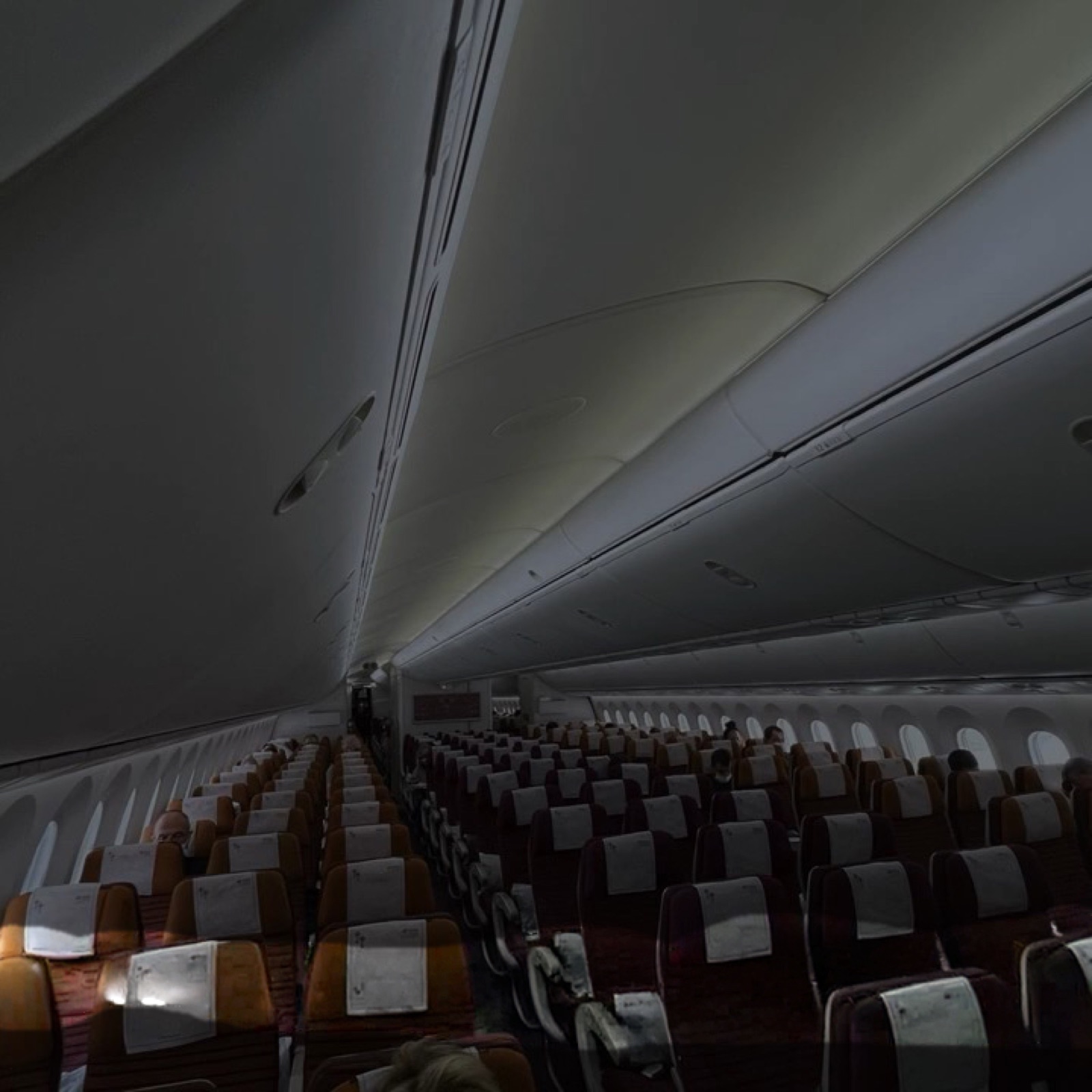
On 19 November 2021 we took off from Paris-Charles de Gaulle. The plane was practically empty: there were barely twenty of us in an aircraft that could carry four hundred.
A curious detail: we left an hour and twenty minutes late — surprising at a time when air traffic was almost non-existent. The cause? A strike by security staff: more than half the checkpoints were closed. Eternal France, in a way! But the empty cabin suited us: we spread out across the plane as though we were in first class. Everyone took a row of three seats, lifted the armrests and stretched out. Each of us had an improvised bed, a little corner to sleep lying down.
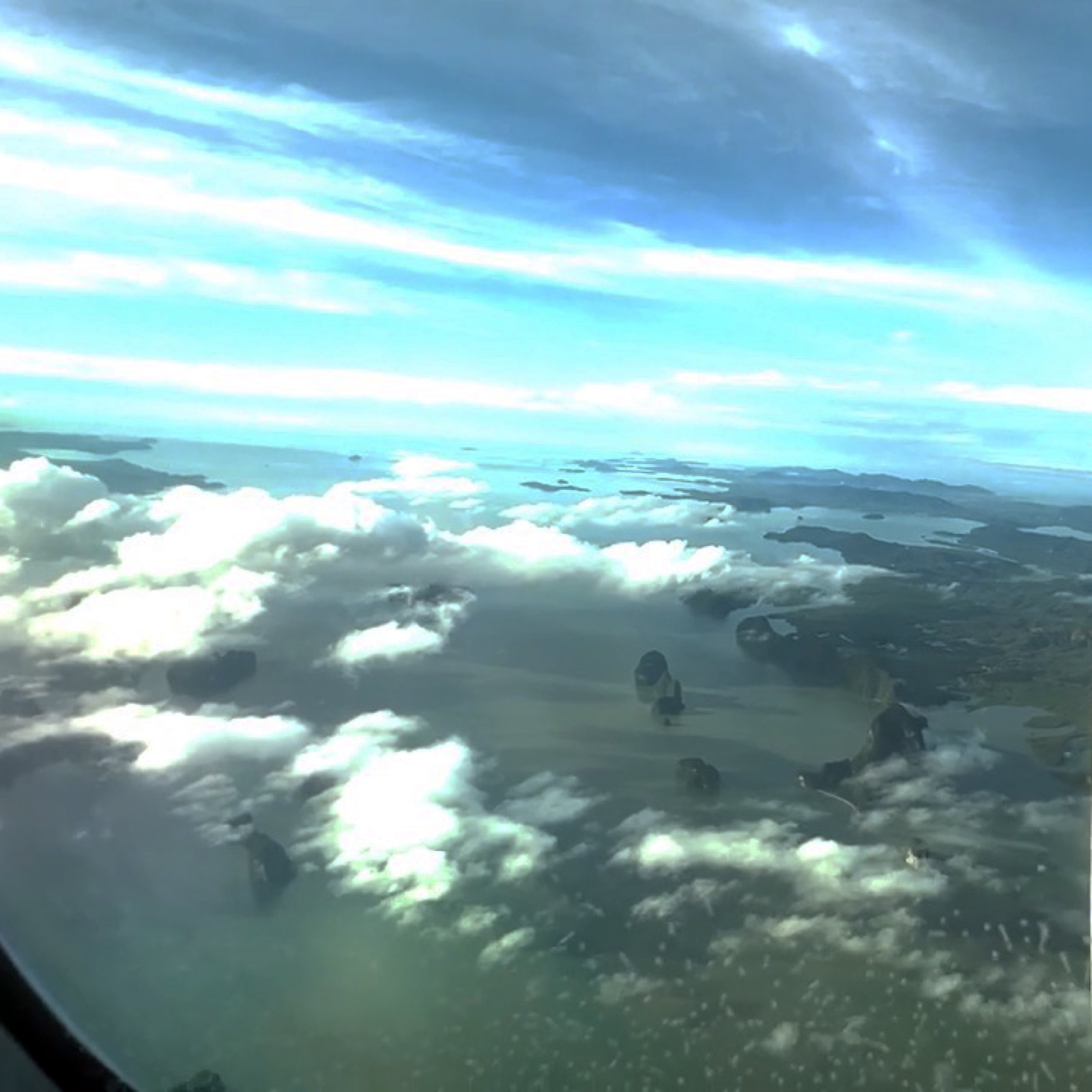
On the descent towards Phuket, the plane flew over Phang Nga Bay. What kind of country are we going to find? I had no idea yet — but faced with the beauty of that bay revealing itself beneath my eyes, a kind of joy began to rise.
On arrival, Phuket airport was deserted. The only thing waiting for us: a group of people in white coats. The effect was striking. Kindly, they took us in hand and led us to a row of booths where they administered the arrival PCR swabs.
Then everything unfolded with disconcerting ease: our taxi was there, booked in advance — the Thailand Pass required both a reserved hotel and an organised transfer. The moment we stepped outside, the heat wrapped itself around us. Forty minutes of road to the hotel, with almost no traffic. The driver was visibly delighted to have us as passengers; I don’t think he was seeing many.
The Dusit Thani Laguna: a paradise in quarantine
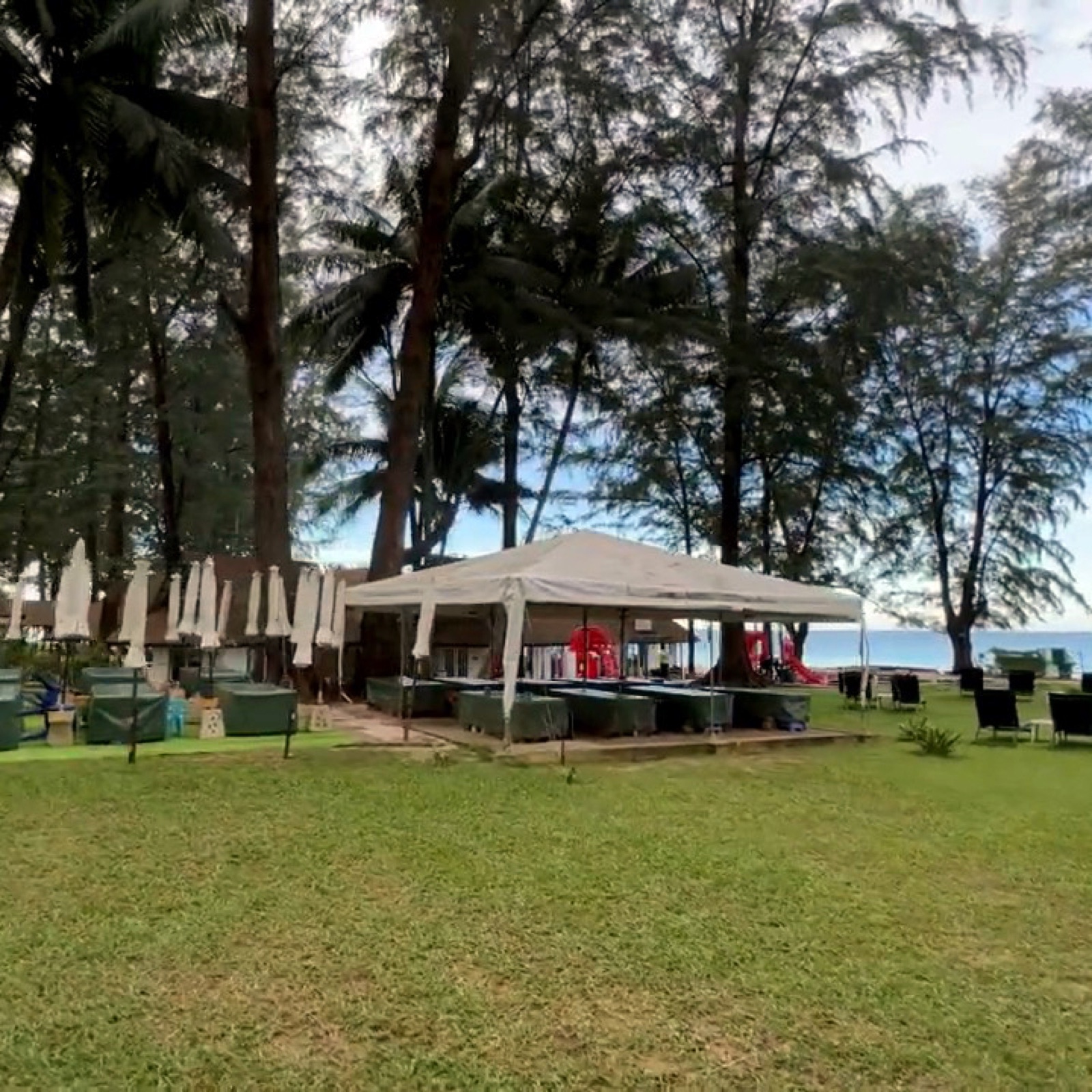
Our hotel: the Dusit Thani Laguna, in the north of Phuket, right on the beach. The welcome was exceptional — the staff attentive to our every need.
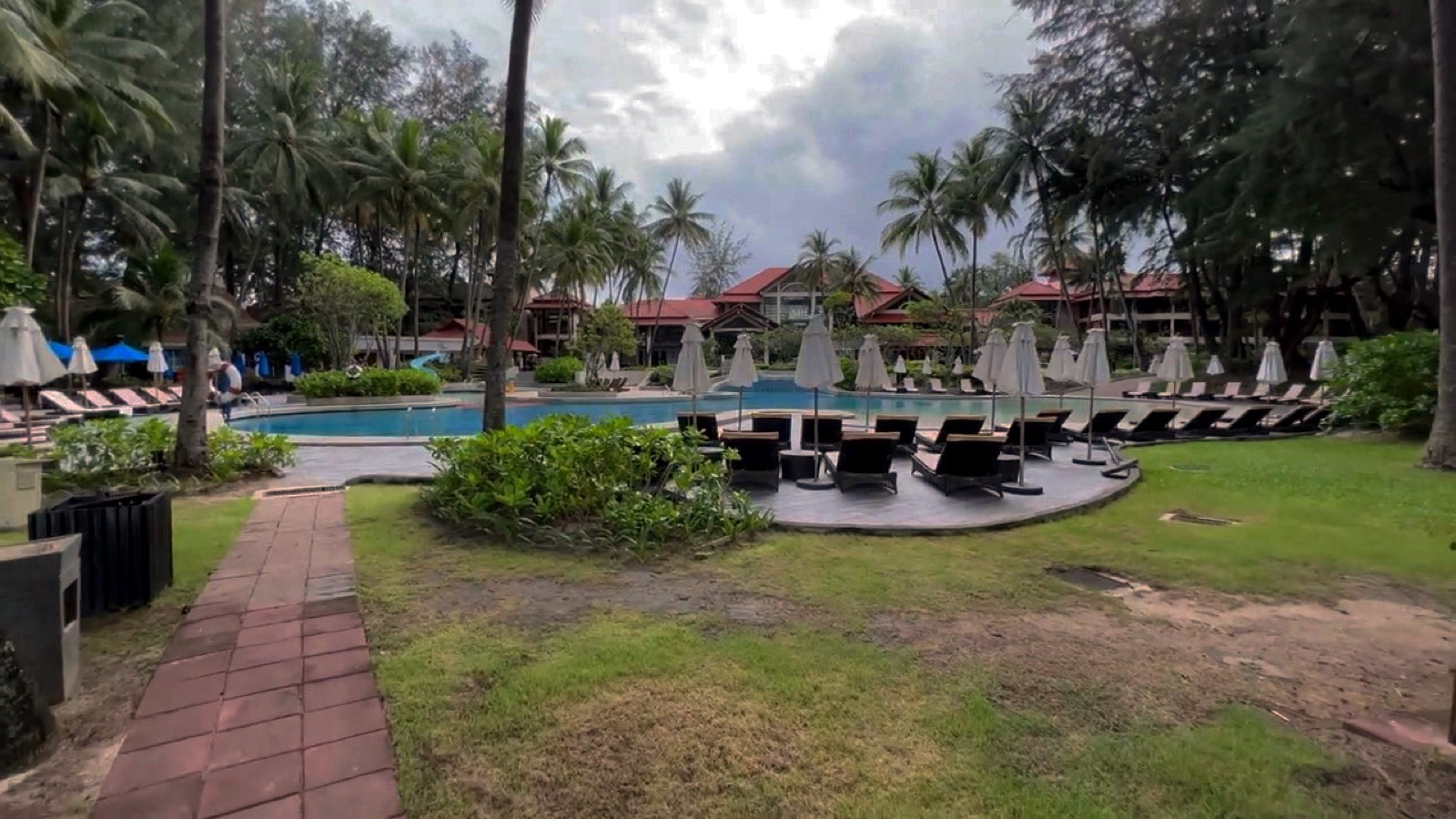
Everything perfect, everything ready for the guests — but the guests are no longer there…
The Sandbox rules were clear: we had to stay in our room while waiting for the PCR results, and the staff were forbidden to enter it. Meals were left at our door. We had been told fifteen days of quarantine, then seven… In the end, the results arrived by email after only three days.
Three days, and there we were, free to enjoy the hotel: the grounds, the magnificent gardens, the beach. After the lockdown we had endured in France, it felt like arriving in paradise.
Bang Tao, a beach to ourselves
For the first fortnight we did not rent a car. We stayed at the hotel and explored the surroundings on foot.
Bang Tao beach is immense — and deserted. Two walkers in the morning, a few silhouettes in the evening, and the rest of the time: nobody. On the sand, an abandoned hut still advertises taxi tours to the Andaman islands; near the pool, the tide timetable is still posted. As though everything had frozen, waiting for the visitors to return. Not a sound around us, only the waves and the calls of the birds.
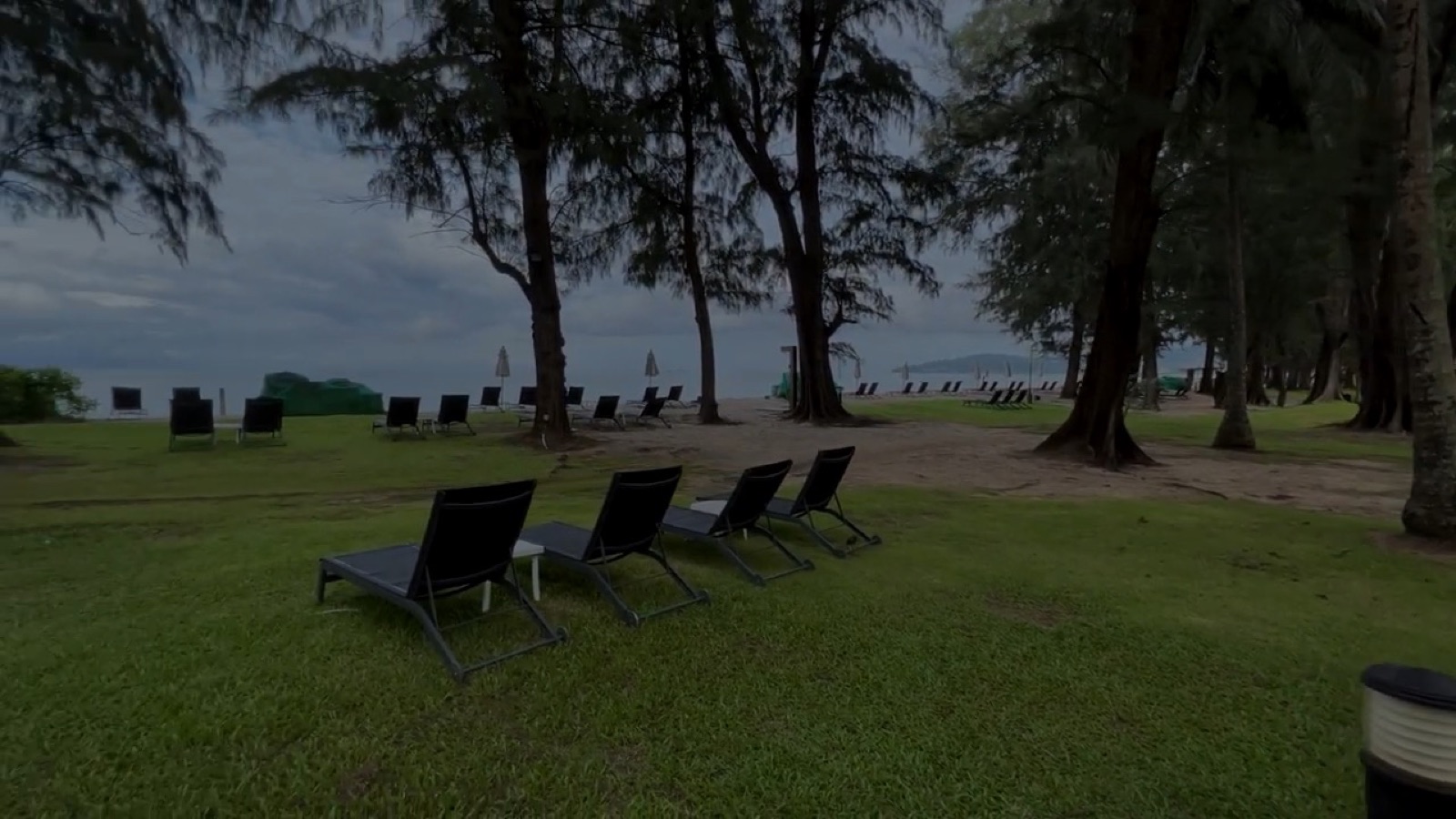
An empty paradise…
At breakfast the dining room is almost empty. We practically have the hotel to ourselves. It is quite extraordinary. I still remember those first breakfasts: coffee, scrambled eggs, little sausages — and those wonderful rotis, that flaky dough kneaded with butter and milk, so beautifully crisp.
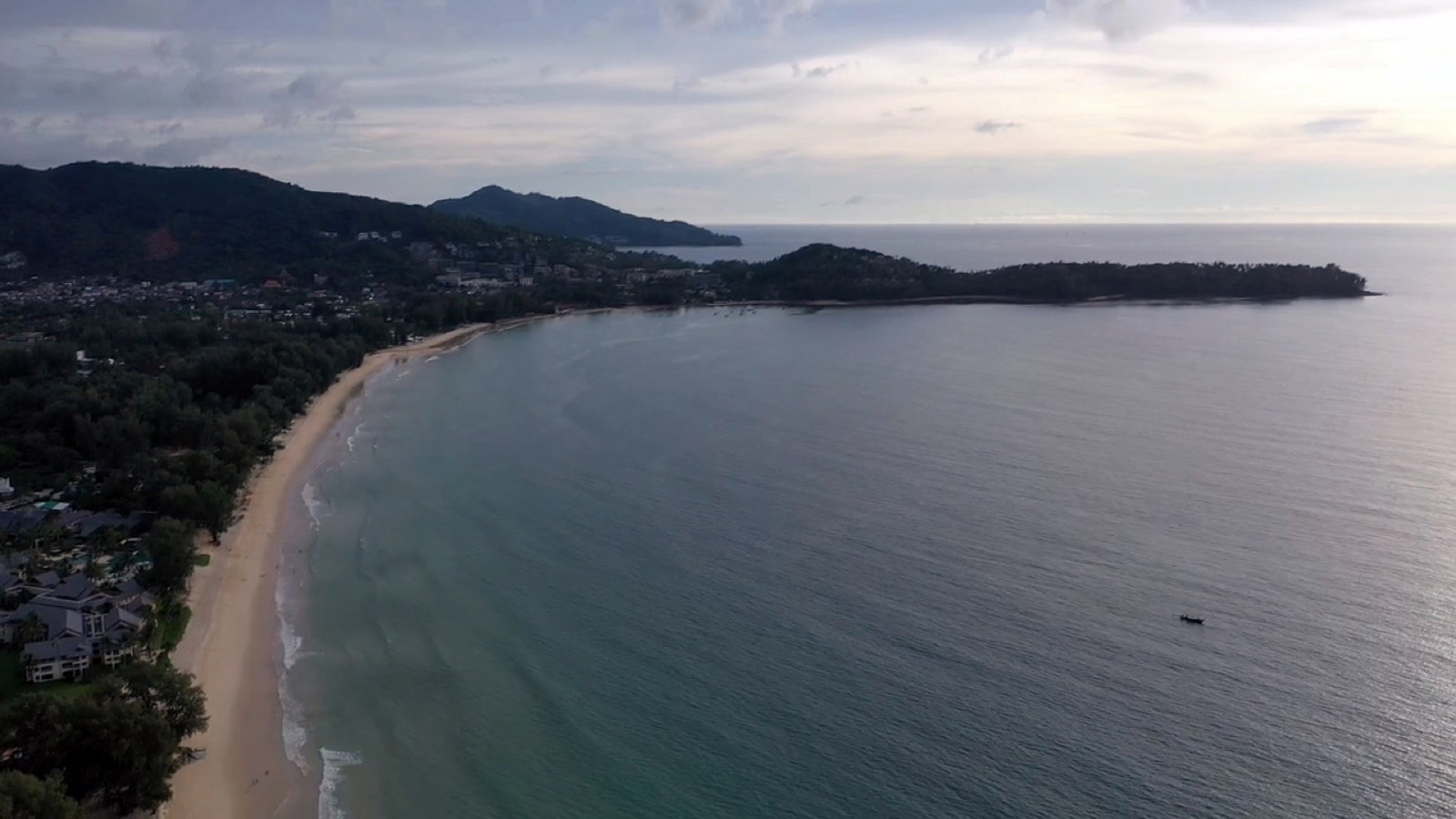
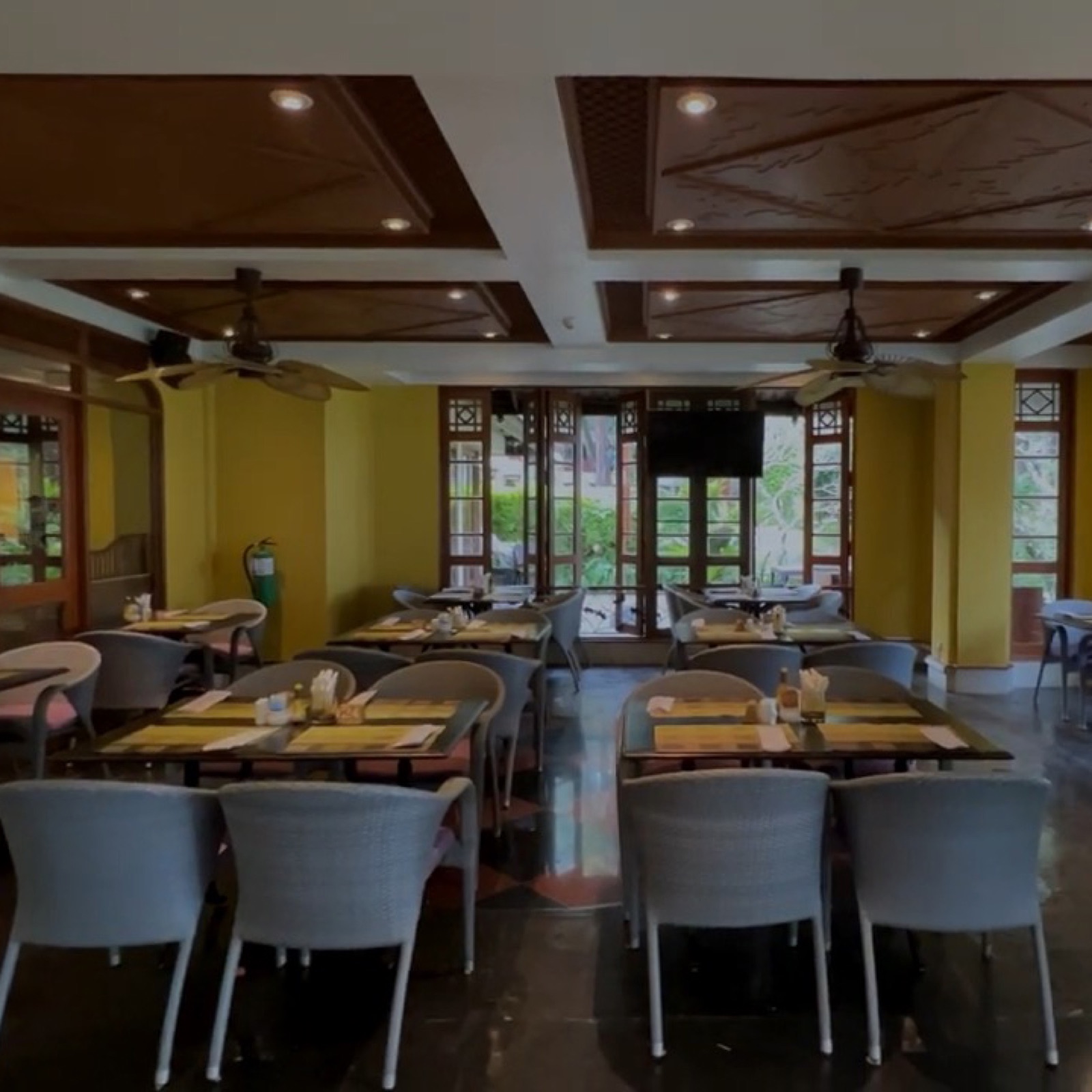
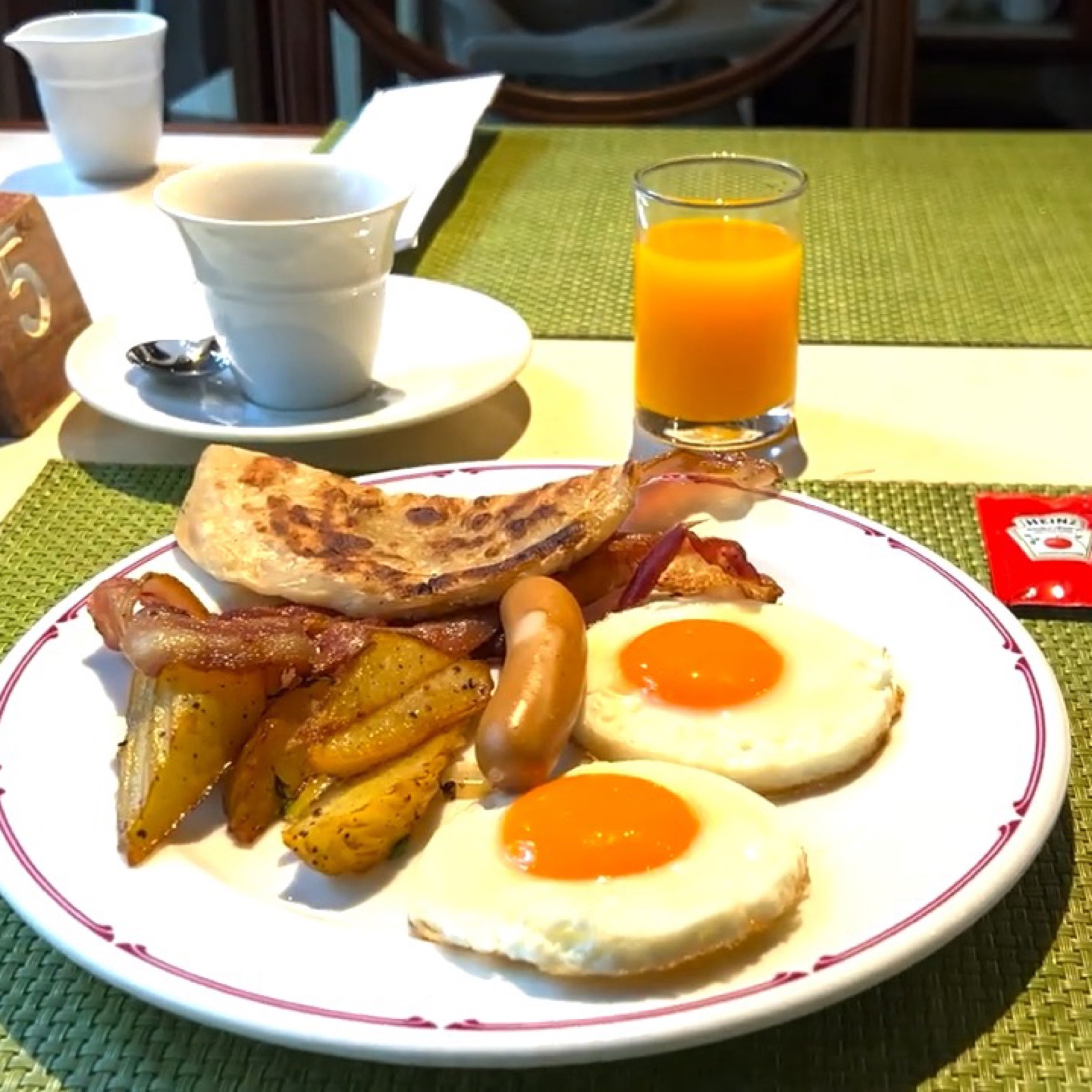
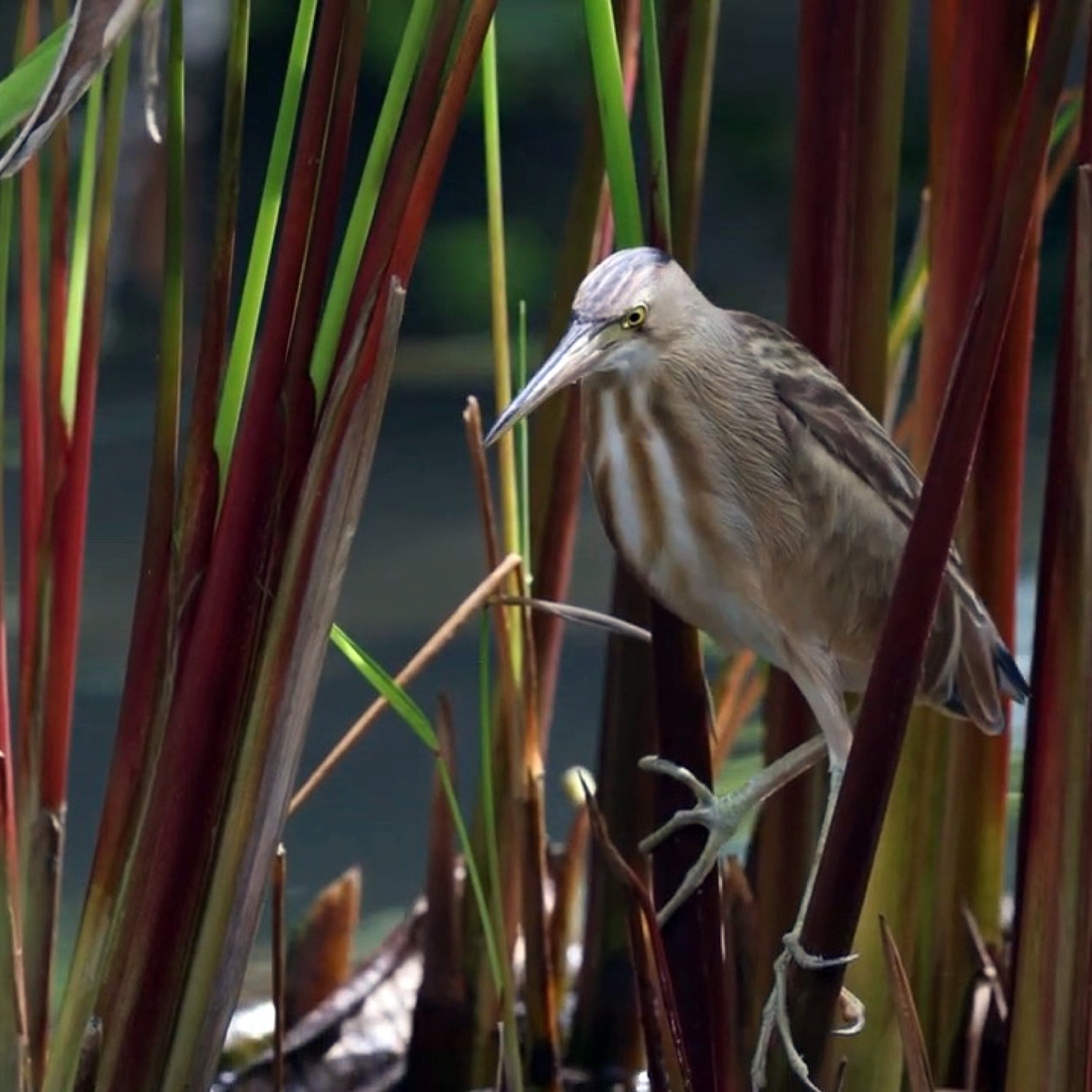
In the morning I like to get up early and walk in the garden before breakfast. A stream feeds a series of ponds planted with greenery and reeds. One day I see one of those big lizards, a water monitor, strolling calmly among the water lilies; a little further off, a Chinese pond heron hides in the reeds, on the lookout, scanning for prey. All these small discoveries delight me, and I set off light-hearted for a breakfast fit for a king. Yes, the confinement really is over. At last…
Ghost villages and the kingdom of birds
Around the lagoon the hotels stand mostly empty. There is something desolate about seeing all that activity at a standstill. On our walks around the hotel we sometimes have the impression of crossing ghost villages — but there is always a cockerel to crow, and a flash of blue across the sky: the Indian roller. Birds are indifferent to the misfortunes of men; they reoccupy the spaces they had lost.
To my astonishment, signs inform us that we are in the tsunami zone. I had forgotten that event, which claimed so many lives on this coast in 2004 — the signs are there to remind us that nature often has fits of anger with deadly consequences.
We walk past the Muslim cemetery, overrun with wild grass. Further on, cattle egrets in the fields catch our attention: this is the kingdom of the buffalo, grazing peacefully beside new luxury developments halted by a failing economy. In the village a few workers are busy on the foundations of a small building, and the restaurant advertises breakfast at 60 baht — less than two euros. We head back, and at the edge of the pool the common mynas are taking their bath. The only human around, I leave the birds to their luxury ablutions and go on looking for the pond heron in the reeds…
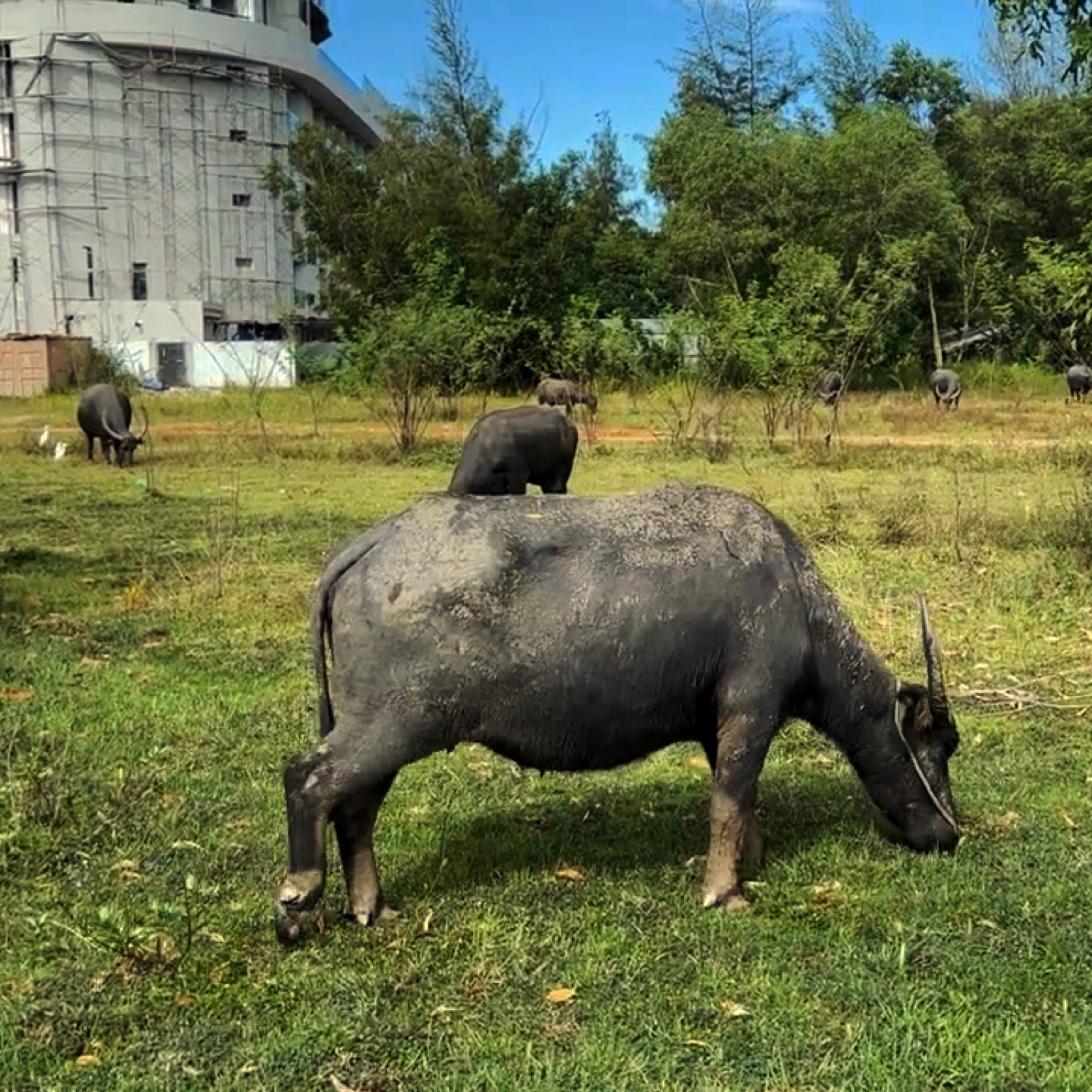
The local masseuses have almost no work left. As someone who has carried a heel spur and a recurring plantar fasciitis for a good ten years, I go and have my feet massaged. They are happy to have customers at last.
Evening falls over Bang Tao. A tiny frog is sitting at the foot of the hanging orchids; she looks at me and stays perfectly still. I forgot about her, I never thought to identify her — she will remain the beautiful stranger of the orchids.
These first two weeks are pure rest: the pool, the beach, the atmosphere of the country settling gently into us.
The car with the phantom brakes
After a fortnight, results and authorisations in hand, nothing stands in the way of driving anywhere in Thailand. It is time to move. We have our international driving licences — one of the things we had carefully anticipated.
Renting a car, on the other hand, turns out to be less straightforward than expected: many rental firms are no longer operating, some have closed for lack of customers. I ask the hotel manager for advice and she finds me a local firm she trusts. He brings us a vehicle, a sort of small van, not bad at all.
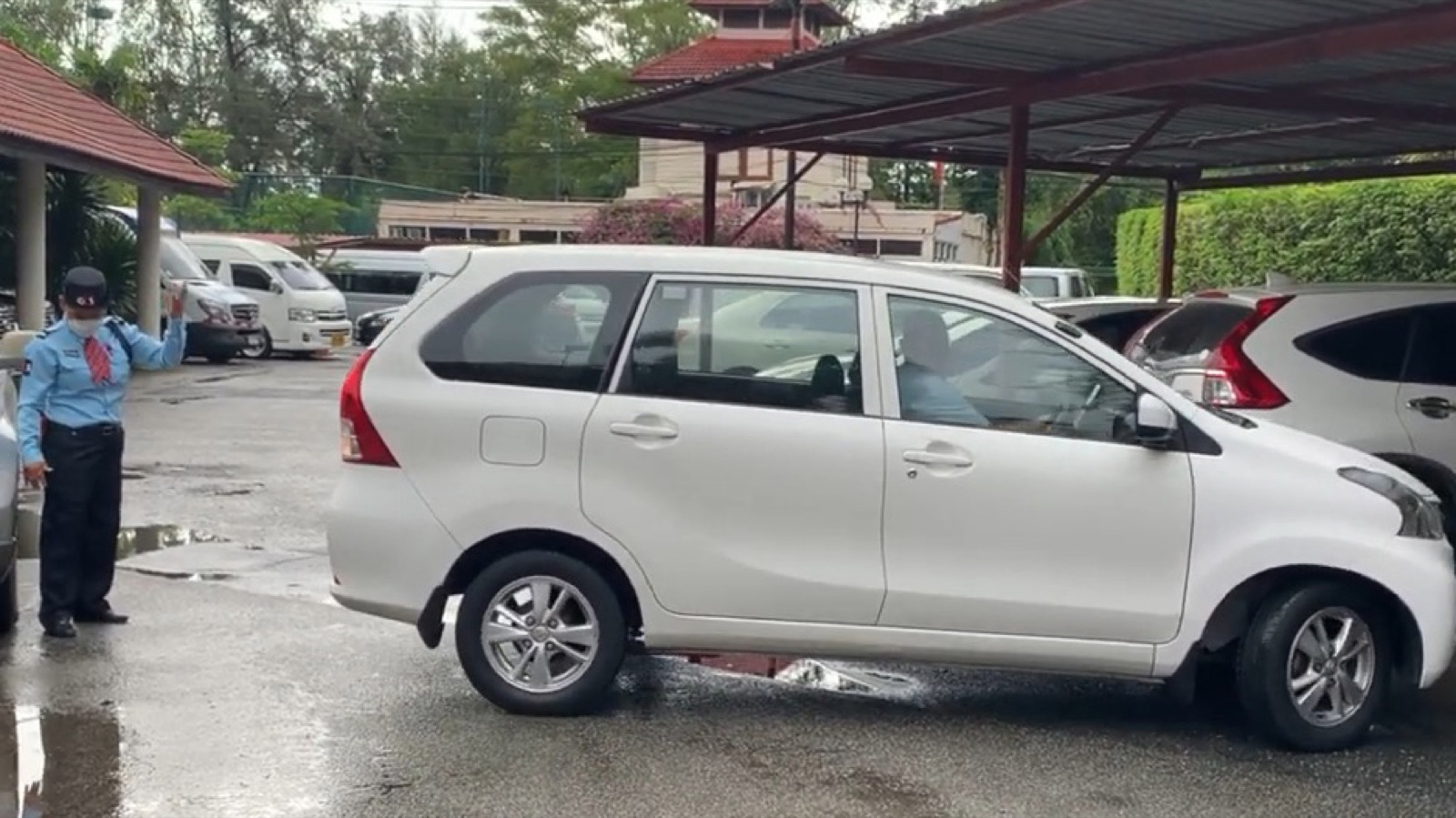
The famous car with the phantom brakes…
Except that. After a week I realise the vehicle is extremely dangerous: on certain outings, after using the brakes for a while, they stop responding altogether. It happens to me twice. Luckily I was driving slowly and on the flat: I pull over, yank the handbrake and call the hotel.
The owner comes, fiddles with the car, and suggests that perhaps I had “pressed too hard on the brake”… Right. Faced with so little seriousness, I go back to the hotel manager: this vehicle must go, immediately. And that is where you measure the worth of a good hotel: she summons the man in charge, who apologises to my face and provides another vehicle straight away.
The replacement, a small city car, has its own quirks: the driver’s window, once lowered, refuses to go back up. I would keep it closed for the whole stay. It makes me smile today — that was Thailand in 2021, a country running at half speed, making do with what it had.
The elephant sanctuary
I christen our vehicle with a trip to the Phuket elephant sanctuary. We meet at a book café in Pa Khlok, from where someone comes to collect us and drive us to the park.
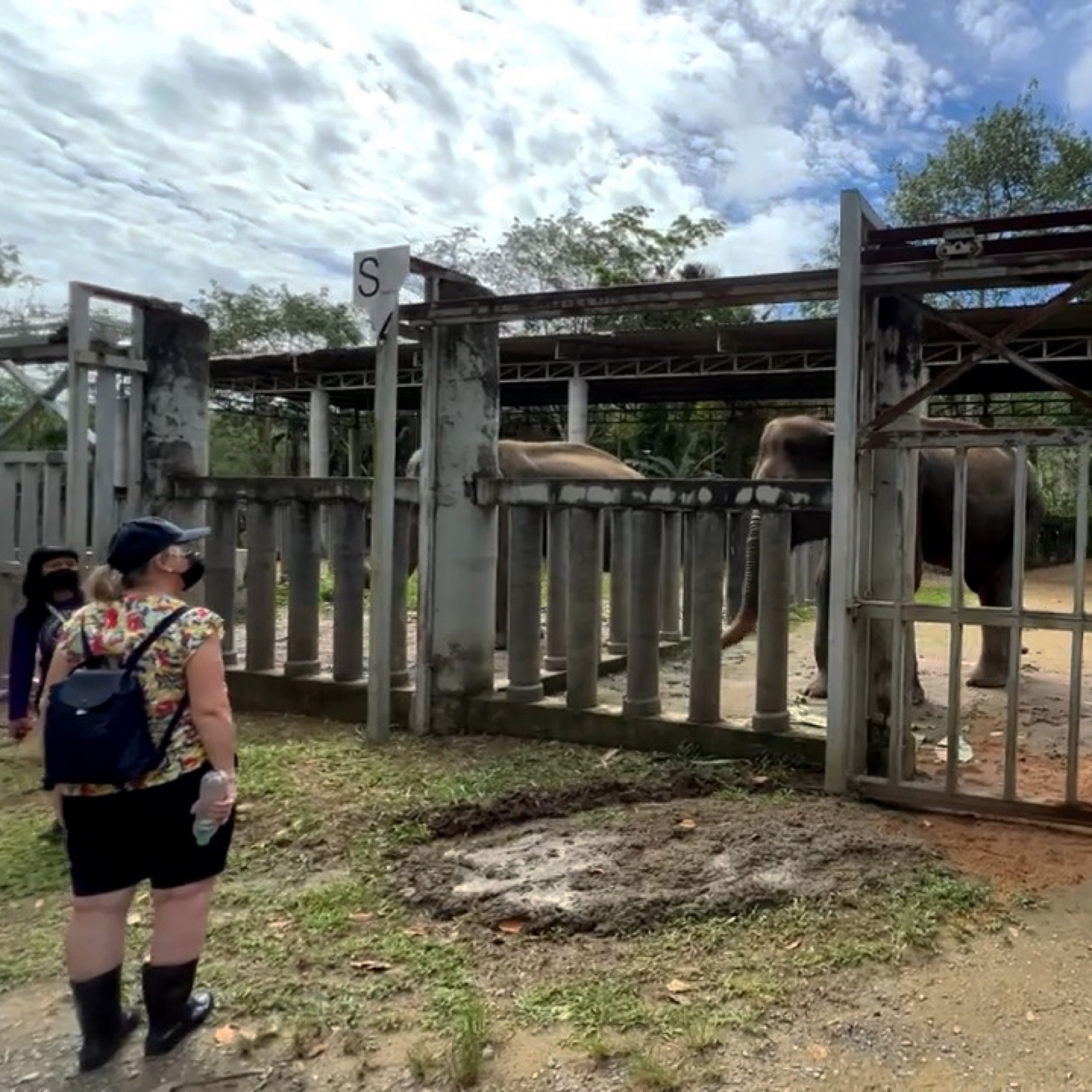
This association takes in elephants that are sick, too old or mistreated, and allows them to live out their days in a secure park, in a well-earned retirement. Here there is no interaction with the animals — no bathing, no riding, no entertaining tourist activities. You watch them move about in their environment, take their bath, and you feed them bananas which they swallow with relish.
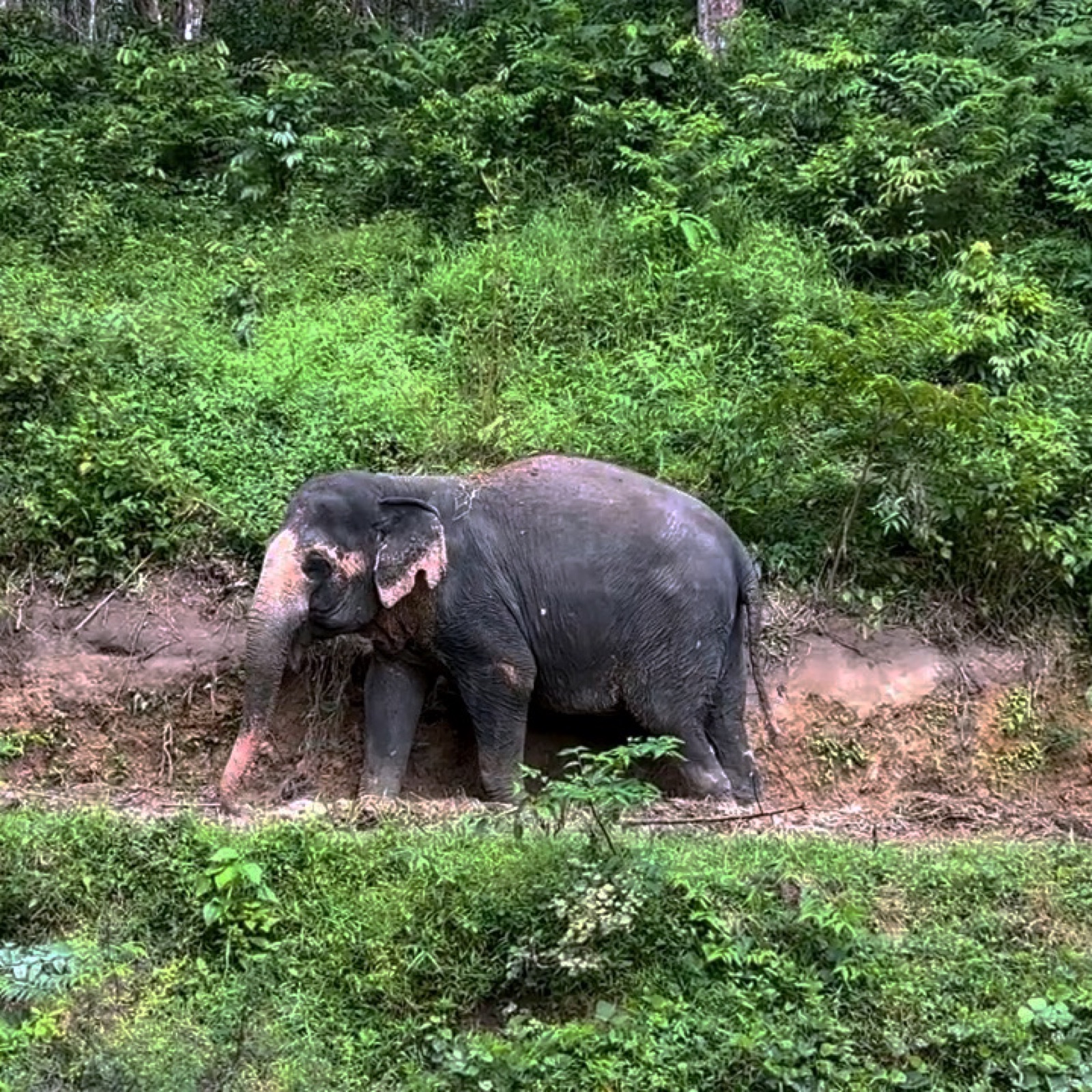
On arrival, around a bend, the driver stops to let us admire a small elephant feeding at the roadside. The guide tells us his name — the day is off to a good start.
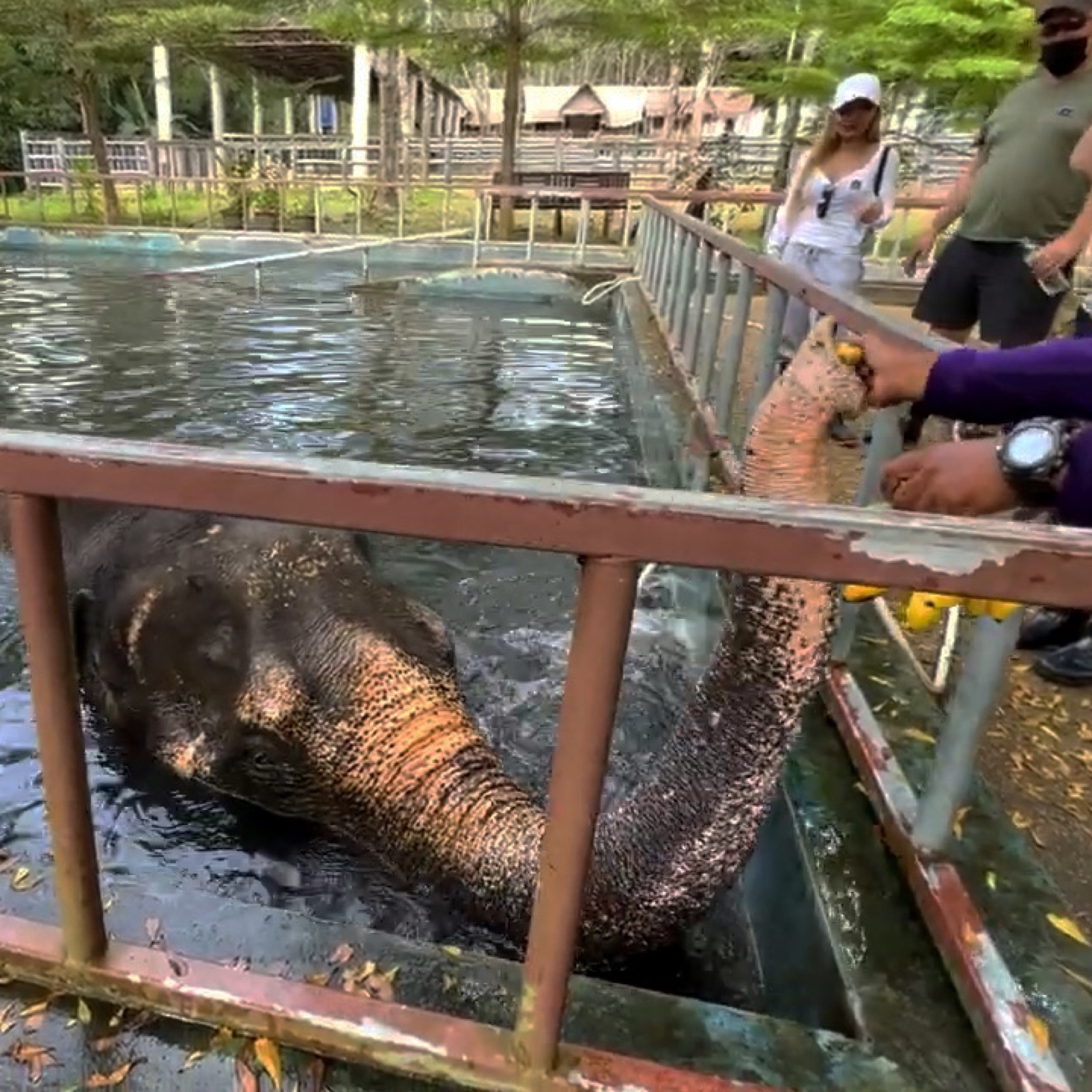
We are given boots and, before setting off on the trails, we feed the elephants. The dexterity with which they use their trunks to grasp the bananas and carry them to their mouths is phenomenal: they can put away a whole hand of bananas in under a minute. Some see out of only one eye. The eldest, Mali, 71 years old, stays in her enclosure, too old now for the walks. Another bathes in a large pool for her hydrotherapy sessions: she worked in the timber industry and had her legs broken. To my astonishment, she takes the bananas we hold out and eats them underwater! She stays one or two hours in her pool — and as soon as the bananas stop coming, she loses interest in us very quickly.
Feeding always takes place in a dedicated area, behind protective barriers. The arrangement has a double purpose: to protect visitors, and to prevent any direct interaction with the animal. One might think it excessive — quite the opposite. An elephant, even the most placid, remains an immense and powerful animal, and accidents do happen: in early 2025 a young Spanish tourist died at another “sanctuary” in southern Thailand, killed by an elephant while she was bathing it. Precisely the kind of activity this park refuses.
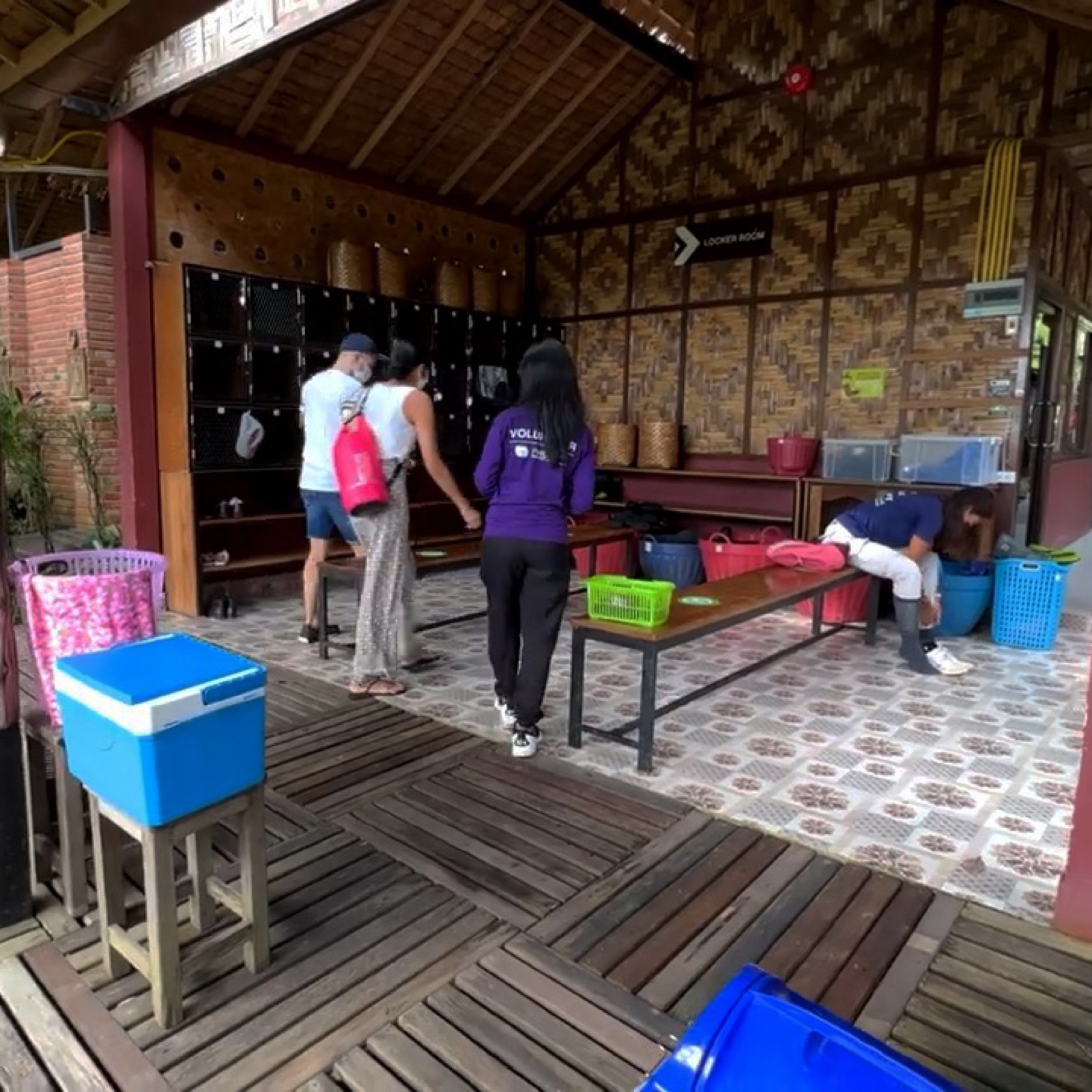
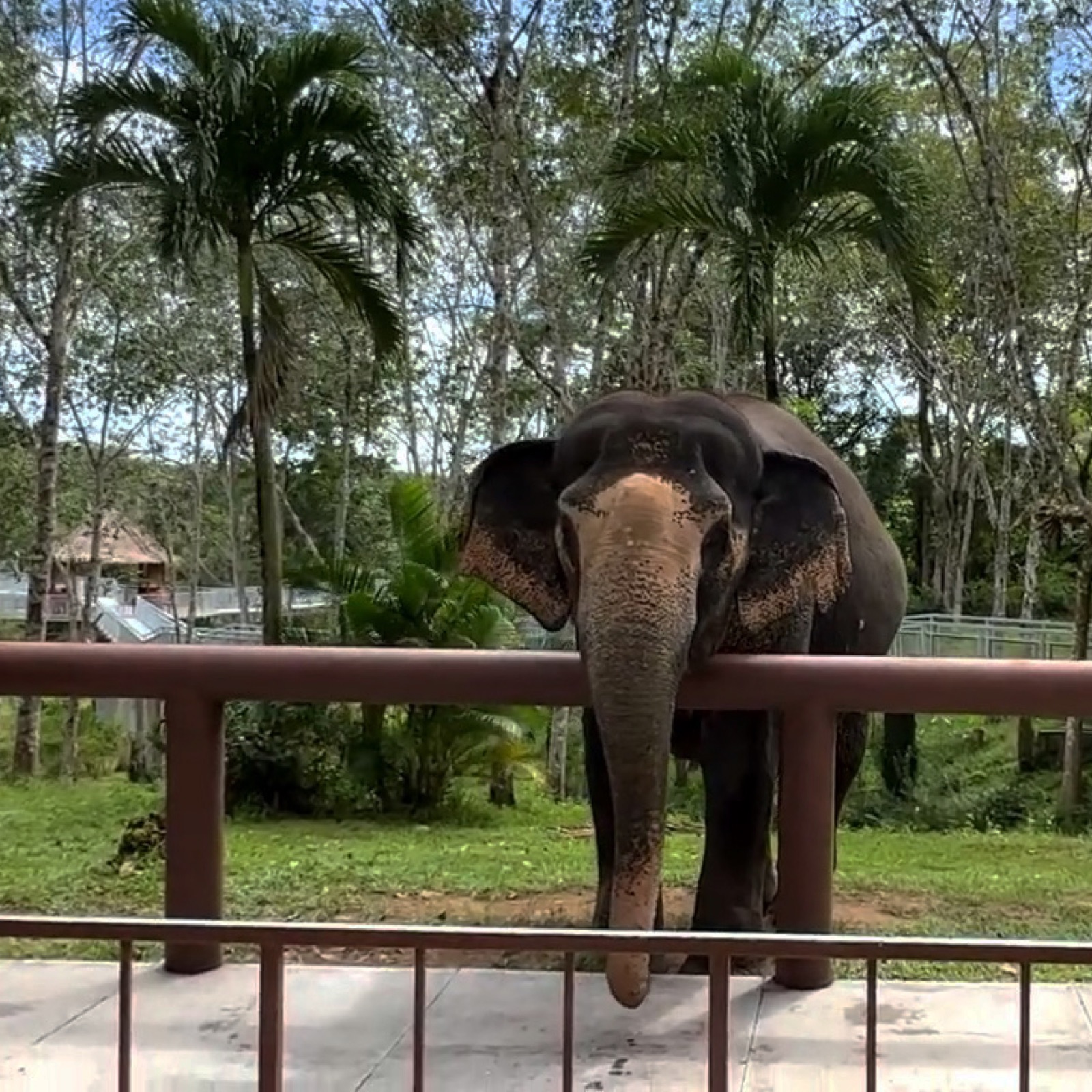
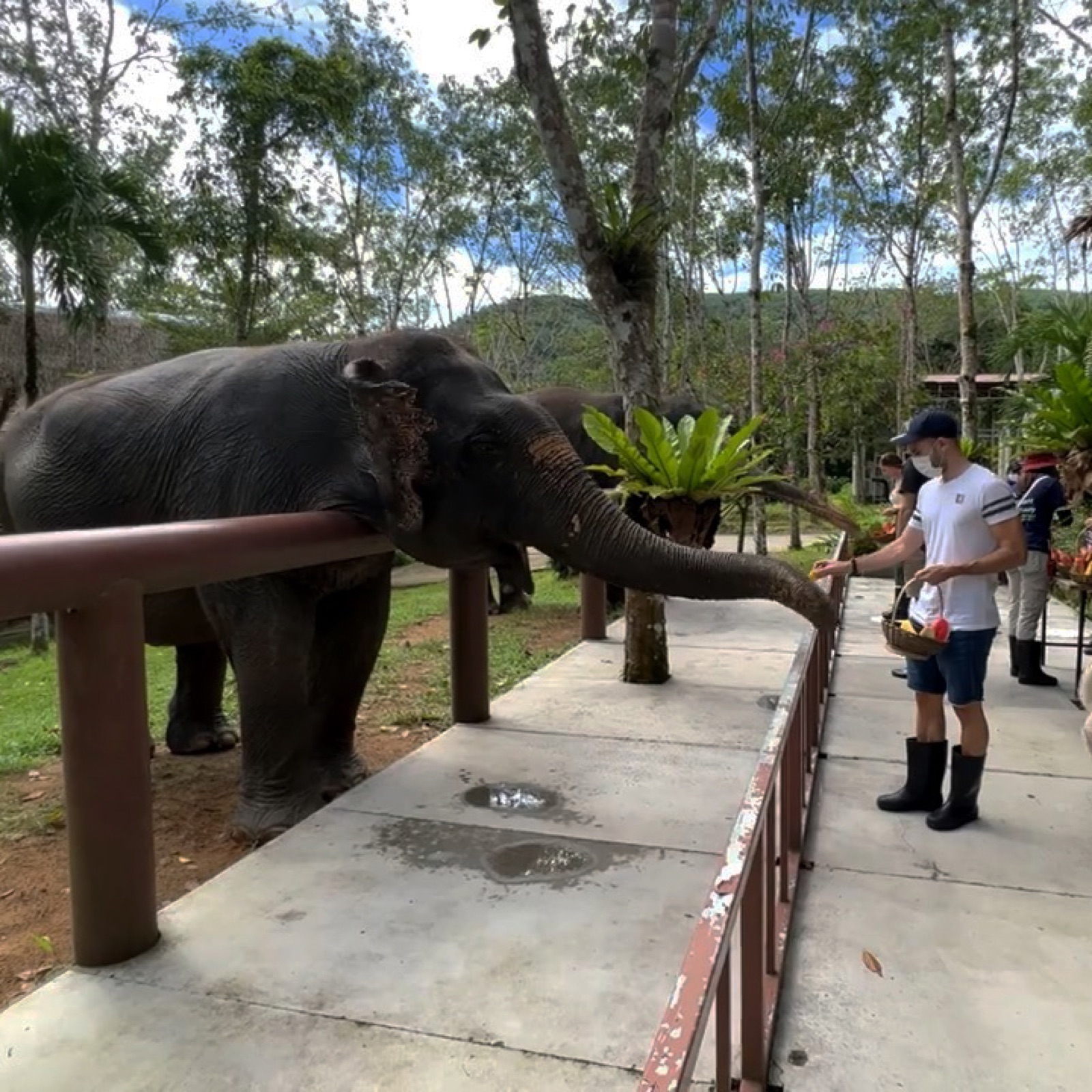
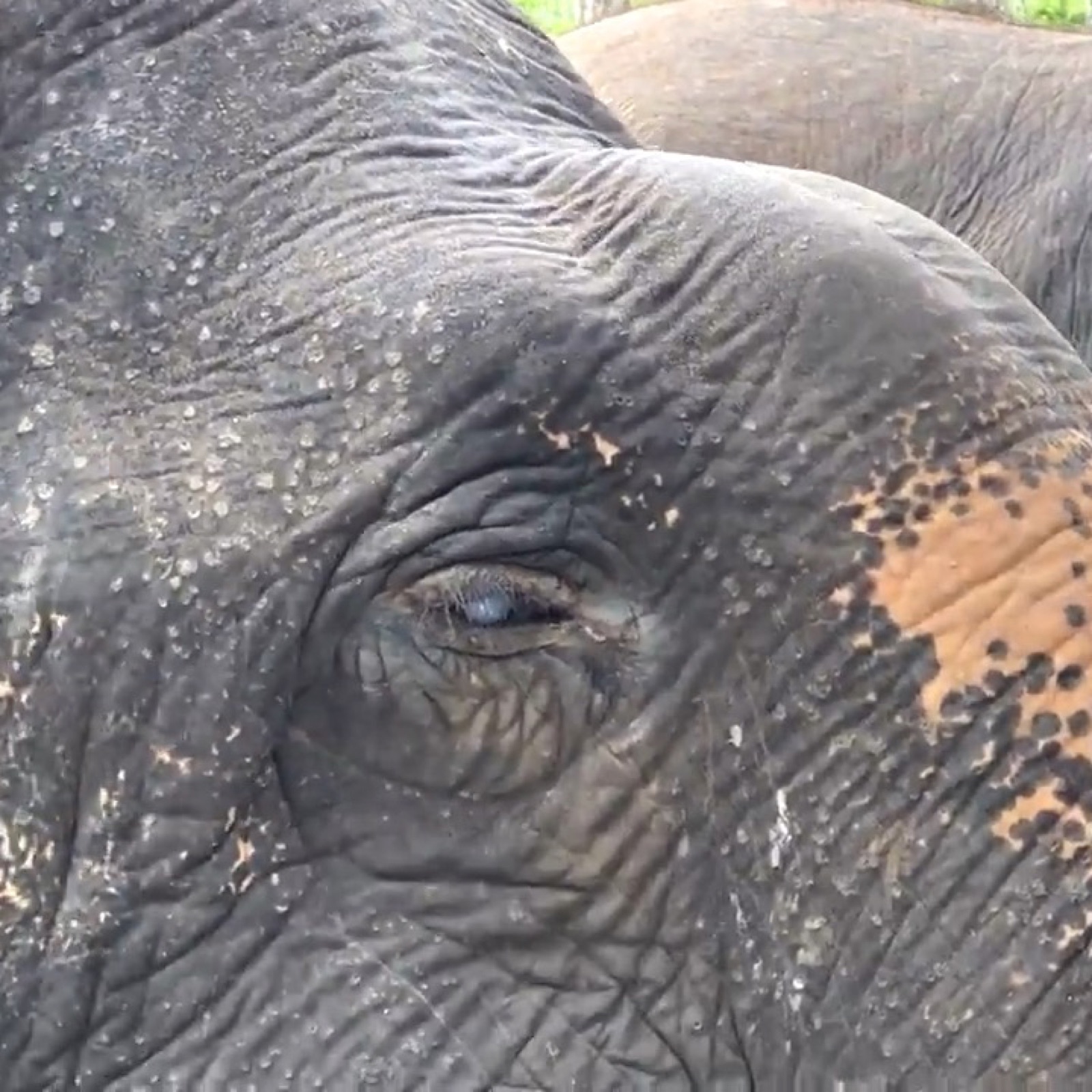
Then we set off in a small group — seven of us — into the park, to see Brenda, the youngest, and another who came from Krabi: he worked in circuses, and the spotlights left him almost blind. The animals, always accompanied by their mahout, are very calm. They like to rub their bodies against the earth banks, then go and bathe in the river. We watch from a distance; there is no hurry. Katia moves her four tonnes forward and all but disappears underwater; her trunk surfaces now and then, vertical, and noisily ejects a spout of water over her back.
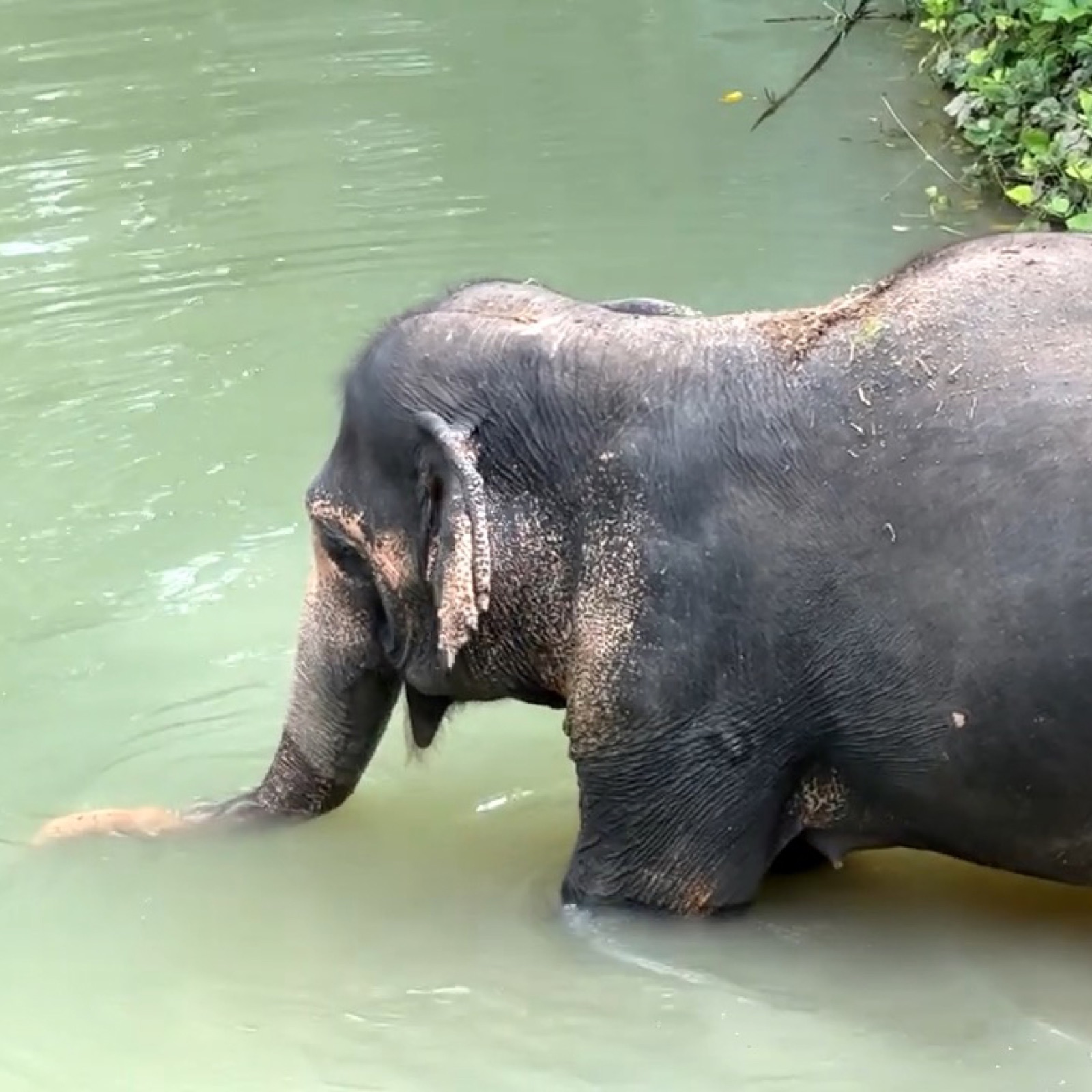
Here, people care for the animals and the animals live without stress. A fine day in Phuket.
Next episode: we leave Bang Tao for the south of the island — Patong, the Big Buddha, Phuket old town, the temples, and the first trips out to sea towards Koh Phi Phi and Phang Nga Bay…
All the videos from this journey are on our YouTube channel.